Discover the Keys Behind Effective Bass Lures to Improve Your Angling Experience
Comprehending the complexities of bass Lures can significantly influence angling success. Various Lures serve distinctive purposes, from crankbaits created for large protection to jigs that target details structures. The effectiveness of these Lures typically rests on variables such as color, motion, and seasonal patterns. By understanding these aspects, fishermens can open a much more satisfying experience. The inquiry stays: which strategies will yield the best outcomes on the water?
Recognizing Bass Behavior and Habitat
Comprehending the actions and environment of bass is essential for anglers seeking success on the water. Bass are flexible fish discovered in different freshwater environments, including lakes, rivers, and ponds. They tend to like areas with framework, such as immersed rocks, fallen trees, and marine plant life, which offer sanctuary and searching premises.
Seasonal patterns dramatically influence their behavior; in warmer months, bass usually live in shallow waters, while they pull away to deeper locations during chillier periods. Best Bass Lures. Their feeding routines are opportunistic, with a diet being composed mostly of smaller fish, pests, and shellfishes
Time of day also plays a role; bass are extra energetic during very early mornings and late evenings. Weather can affect their behavior also, as cloudy days may encourage superficial feeding, whereas intense sunshine typically drives them to look for cover. Recognizing these patterns furnishes fishermens with the expertise required for efficient fishing strategies.
Types of Bass Lures and Their Utilizes
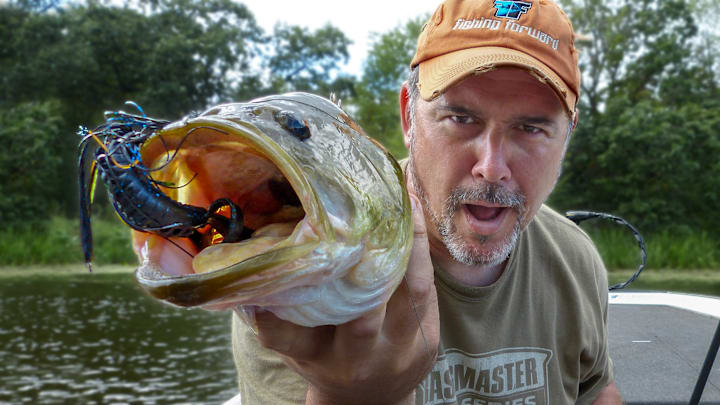
A selection of bass Lures are important devices for anglers aiming to attract this prominent game fish. These Lures can be classified into a number of kinds, each serving distinctive functions. Crankbaits, developed to simulate the swimming activity of baitfish, work for covering large locations quickly. Spinnerbaits, featuring turning blades, develop vibrations and flashes that can entice bass hiding in cover. Jigs, with their heavy heads and weedless layout, are suitable for lower angling, allowing anglers to existing bait near frameworks where bass often hide. Soft plastics, such as worms and animal baits, provide convenience and can be set up in several methods to adjust to differing problems. Topwater lures, like poppers and frogs, are best utilized throughout low-light hours when bass are proactively eating the surface. Each sort of attraction plays an important role in improving angling experiences and enhancing the chance of effective catches.

Design and color: What Attracts Bass?
What aspects affect bass attraction to certain lure colors and layouts? The interplay of light, water clearness, and the natural surroundings plays an important function. Intense colors, such as chartreuse and orange, can catch a bass's eye in dirty waters, while a lot more controlled tones like blues and environment-friendlies might master clear problems.
Design components, including form and motion, additionally significantly influence bass tourist attraction. Lures that mimic natural victim, such as baitfish or crawfish, are particularly effective. Furthermore, the visibility of reasonable details, like fins or ranges, enhances the natural appearance, more attracting bass.
Psychological factors, such as a bass's feeding habits and territorial instincts, must not be overlooked. In specific circumstances, strong styles can prompt a reaction from aggressive bass, while subtle variants can appeal to a lot more careful fish. Inevitably, understanding shade and layout nuances is important for enhancing lure effectiveness.
Matching Lures to Water Conditions
Choosing the best appeal includes greater than simply design and color; water problems play a significant duty in determining the most reliable choices. Elements such as water quality, temperature level, and deepness directly affect bass behavior and their feeding patterns. In clear water, all-natural colors and subtle presentations tend to be more efficient, while murky conditions might ask for brighter, more dynamic Lures that can stand out.
Temperature level likewise impacts bass activity; throughout warmer months, faster-moving Lures can evoke strikes, whereas cooler temperatures might need slower, a lot more intentional presentations. Furthermore, much deeper waters often demand heavier Lures that can reach the preferred depth, while shallow locations are better matched for lighter, surface-oriented choices.
Methods for Effective Draw Discussion
Understanding the methods for reliable appeal presentation can considerably improve angling success. Fishermens ought to concentrate on the rate and rhythm of their retrieves, adjusting them to mimic the natural motion of target. A stable recover works well for several appeals, yet including stops briefly can trigger strikes from more mindful fish. Furthermore, differing the depth of the attraction is vital; utilizing different casting angles and adjusting the reel can assist target fish at various midsts.
Using a combination of finesse discussions, such as twitching or dragging the attraction throughout the base, can likewise be efficient. It is vital for anglers to read the water and adjust their methods based on visibility and framework. Furthermore, providing Lures near cover, like immersed rocks or plants, often produces far better results, as bass have a tendency to look for shelter. Eventually, trying out different techniques will certainly cause a more fulfilling fishing experience.
Seasonal Factors To Consider for Tempt Choice
Seasonal adjustments substantially affect bass habits and lure performance. As water temperatures rise and fall, fishermens need to change their attraction options to line up with pre-spawning and post-spawn problems. Understanding these seasonal patterns can boost fishing success by targeting bass at their most energetic times.
Seasonal Water Temperature Impacts
As water temperatures fluctuate throughout the year, bass behavior and feeding patterns alter, influencing the efficiency of numerous appeals. Throughout chillier months, bass have a tendency to end try this web-site up being sluggish, favoring slow-moving Lures that simulate having a hard time victim. On the other hand, as temperatures increase in springtime, bass become more energetic, making quicker, more hostile Lures reliable. Mid-summer sees bass looking for much deeper, cooler waters, necessitating the usage of Lures that can get to these midsts. As temperatures start to decrease in fall, bass commonly feed greatly to prepare for winter months, making functional Lures that can mimic a range of forage kinds specifically successful. Recognizing these seasonal temperature results enables fishermens to pick ideal Lures that line up with bass habits, optimizing their angling success.
Pre-Spawning Entice Choices
What elements influence the selection of Lures throughout the pre-spawning period for bass? Anglers must take into consideration water temperature level, climate condition, and the bass's feeding habits. As temperature levels rise and days extend, bass become a lot more energetic and aggressive, prompting a change in their feeding patterns. During this time around, tempts that mimic the all-natural prey of bass-- such as shad or bluegill-- are particularly reliable. Popular choices include spinnerbaits, lipless crankbaits, and jigs, which can be fished at numerous midsts. Furthermore, anglers must concentrate on locations with cover, such as submerged plants or rough frameworks, as these areas typically attract pre-spawn bass. Best Bass Lures. Comprehending these aspects can dramatically improve the possibilities of a successful angling trip throughout this vital seasonal stage
Post-Spawn Techniques Adjustments
Post-spawn bass display various behaviors than throughout the pre-spawn phase, reliable attraction choice stays critical for anglers aiming to target them efficiently. After generating, bass frequently come to be tired and look for much deeper waters, making it necessary to readjust lure options as necessary. look what i found Fishermens should think about making use of slower-moving baits, such as jigs or soft plastics, which can tempt bass that are much less see this hostile. Crankbaits with a refined activity can likewise work, permitting for a slower presentation that resembles the all-natural post-spawn forage. Additionally, fishing near framework, such as immersed vegetation or rocks, can enhance possibilities of success. By understanding these seasonal adjustments, anglers can boost their fishing experience and enhance their catch rates throughout the post-spawn period.
Often Asked Questions
Just how Do I Choose the Right Pole for Bass Fishing?
To choose the ideal pole for bass fishing, one ought to think about the pole's activity, power, and length. A medium to medium-heavy pole, around 6 to 7 feet, is frequently suitable for convenience and control.
What Is the very best Time of Day to Catch Bass?
The best time of day to capture bass is normally morning and late mid-day. Throughout these durations, bass are a lot more energetic, feeding near the surface area, making them much easier targets for fishermens using efficient attractions.
Exactly How Do Weather Affect Bass Angling Success?
Weather dramatically affect bass angling success. Warmer temperature levels and cloudy skies usually encourage bass task, while cold spells can trigger sleepiness. Rainfall can likewise enhance feeding habits, making it essential for anglers to adapt their techniques as necessary.
Can I Use Lures for Various Other Fish Types?
Yes, lures designed for bass can also work for other fish varieties. Nonetheless, selecting the suitable dimension, color, and action according to the target types and their feeding behaviors stays essential for success.
What Prevail Blunders When Making Use Of Bass Lures?
Usual mistakes when making use of bass Lures consist of choosing improper sizes or colors, fetching as well swiftly, falling short to adjust to climate condition, and not considering water depth. These errors can dramatically minimize the opportunities of a successful catch.
As water temperature levels vary throughout the year, bass habits and feeding patterns change, influencing the performance of various attractions. Mid-summer sees bass seeking deeper, cooler waters, necessitating the usage of Lures that can reach these midsts. Post-spawn bass display various behaviors than during the pre-spawn phase, efficient lure choice stays essential for anglers intending to target them efficiently. After generating, bass typically end up being tired and look for deeper waters, making it necessary to readjust attraction options accordingly. Common blunders when utilizing bass Lures include picking unsuitable dimensions or colors, obtaining as well swiftly, stopping working to adapt to weather problems, and not thinking about water depth.